

The Importance of Physical Therapy in ACL Reconstruction Rehabilitation
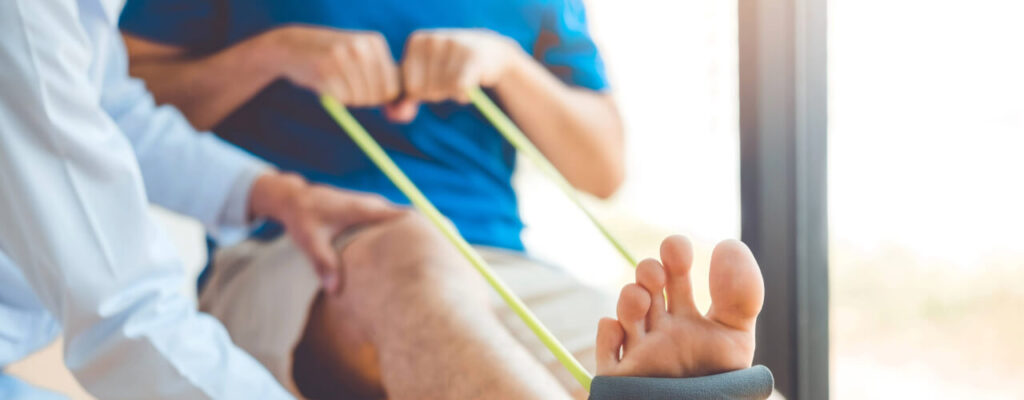
With sports injuries, few are as daunting as an anterior cruciate ligament (ACL) tear. Such an injury can be devastating, disrupting an athlete’s season. However, amidst the challenge lies hope – the prospect of ACL reconstruction surgery followed by a comprehensive rehabilitation program led by skilled physical therapists. In this blog, we explore the vital role of physical therapy in ACL reconstruction rehabilitation, looking at the key steps, strategies, and benefits that pave the path to recovery.
Understanding ACL Reconstruction Rehabilitation
An ACL tear is a significant setback, but with prompt surgical intervention and dedicated rehabilitation, athletes can regain strength, stability, and function. Physical therapy is crucial, guiding patients through each recovery phase with precision and expertise. From the immediate postoperative period to the return to sport, physical therapists tailor rehabilitation programs to address the needs and goals of each individual.
The Role of Physical Therapy in ACL Rehabilitation
Early Mobilization and Pain Management
- Following ACL reconstruction surgery, physical therapists focus on reducing pain and inflammation while promoting early mobilization. Through gentle exercises, manual therapy techniques, and modalities such as ice and compression, therapists help patients regain range of motion and reduce swelling in the affected knee.
Restoring Strength and Stability
- As the initial healing phase progresses, the emphasis shifts to rebuilding strength and stability in the knee joint. Physical therapists prescribe targeted exercises to strengthen the muscles surrounding the knee, including the quadriceps, hamstrings, and calf muscles. Balance and proprioception exercises are also incorporated to enhance neuromuscular control and reduce the risk of injury.
Functional Rehabilitation and Sport-Specific Training
- In the later stages of rehabilitation, physical therapists design functional exercises and sport-specific drills to simulate the demands of athletic performance. Patients engage in activities that mimic the movements and stresses encountered during sports participation, gradually progressing in intensity and complexity as their knee recovers.
Patient Education and Empowerment
- Throughout the rehabilitation process, patient education plays a pivotal role. Physical therapists educate individuals about proper body mechanics, injury prevention strategies, and signs of potential complications.
Benefits of Physical Therapy in ACL Reconstruction Rehabilitation
Accelerated Recovery
- Physical therapy expedites rehabilitation, allowing athletes to return to their sport sooner with confidence and reduced risk of re-injury.
Improved Functional Outcomes
- Through targeted exercises and functional training, physical therapy enhances knee stability, strength, and proprioception, enabling athletes to perform at their best.
Reduced Risk of Complications
- By addressing biomechanical imbalances and movement dysfunctions, physical therapy helps mitigate the risk of secondary injuries and long-term joint degeneration.
Enhanced Performance
- With the guidance of physical therapists, athletes recover from injury and optimize their athletic potential, achieving peak performance levels upon their return to sport.
Begin Your Physical Therapy Journey at Mana Physical Therapy in Lake Como, NJ, and East Brunswick, NJ
If you or someone you know is undergoing ACL reconstruction surgery, don’t underestimate the importance of physical therapy in ACL reconstruction rehabilitation – it’s the key to unlocking a future of resilience, vitality, and athletic excellence. Contact our team at Mana Physical Therapy in Lake Como, NJ, and East Brunswick, NJ today to begin your physical therapy journey!