

Achilles Injury Rehab: Understanding and Overcoming Achilles Tendinopathy
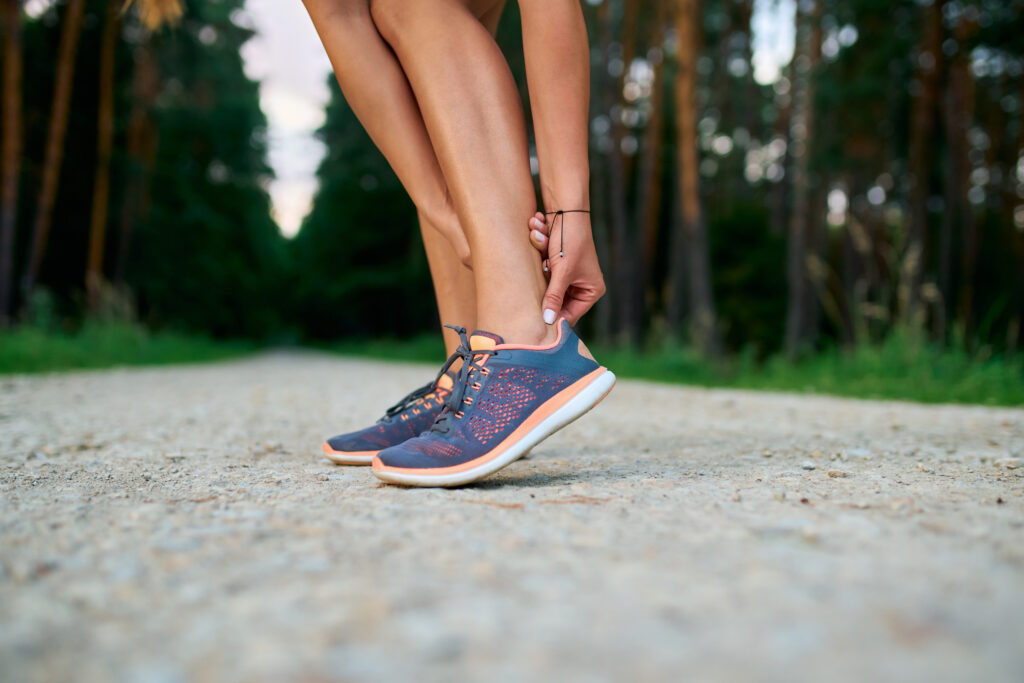
Achilles injuries are a common issue among runners and athletes, affecting a significant number of individuals engaged in sports and physical activities. Due to the essential role of the Achilles tendon in movement, healing these injuries often requires a lengthy period, sometimes extending over several months. The Achilles tendon, being the largest and one of the strongest tendons in the body, has a notoriously slow healing process. Thus, understanding the type of Achilles injury you have is crucial for effective rehabilitation.
To find out more about how we can help you with your Achilles injury rehab, contact Mana Physical Therapy today!
Types of Achilles Injuries and Rehabilitation Strategies
1. Mid-portion Achilles Tendinopathy
This chronic overuse injury is characterized by pain in the middle of the Achilles tendon, particularly when pinching the area. Effective rehabilitation involves:
- Isometric Holds: Perform holds on your toes to help build strength without excessive movement.
- Heavy Slow Heel Raises: Gradually increase resistance and weight to strengthen the tendon.
- Activity Modification: Temporarily reduce activities like running and jumping to prevent further exacerbation of pain.
2. Insertional Achilles Tendinopathy
This type of tendinopathy occurs closer to the heel. Key strategies for managing this injury include:
- Avoid Dorsiflexion Stretching: Initially, avoid stretching that pulls the toes upwards towards the shin.
- Heel Lifts: Use heel lifts, preferably built into the outside of the shoe, to reduce compression on the tendon.
- Modified Heel Raises: Progress with isometrics and heavy slow resistance heel raises, ensuring the heel does not dip below the step to prevent compression.
3. Paratendonitis
The paratendon is a sleeve of connective tissue surrounding the Achilles tendon. This injury manifests as pain during movement, regardless of the activity. Rehabilitation should focus on:
- Isometrics: Start with isometric exercises since these do not involve tendon and ankle movement.
- Activity Reduction: Limit excessive movement of the Achilles to allow healing.
4. Retrocalcaneal Bursitis
This condition involves inflammation of the bursa located between the heel and the Achilles tendon. Sometimes occurring alongside insertional Achilles tendinopathy, it requires:
- Felt Pads: Place felt pads in the shoe on either side of the heel to prevent direct friction on the bursa.
- Concurrent Treatment: If associated with insertional Achilles tendinopathy, follow the guidelines for both conditions.
Conclusion
Starting with the appropriate rehabilitation techniques for each type of Achilles injury, you should gradually progress to plyometric exercises. Plyometrics, including jumping and hopping activities, are essential for restoring the Achilles tendon’s ability to handle high-impact forces, preparing you for a return to running and sports. While the rehabilitation process can be lengthy and challenging, it can be manageable with guidance from a knowledgeable physical therapist who employs evidence-based strategies.
If you suspect you have an Achilles injury, reach out to Mana Physical Therapy for a consultation. Our team is dedicated to providing personalized care to help you recover and get back to your favorite activities.
Written by Dr. James Coomber, PT, DPT, OCS, COMT, CSCS – owner of Mana Physical Therapy in East Brunswick and Lake Como, NJ, and Certified RRCA Running Coach