

Is It Shin Splints, Compartment Syndrome, or a Bone Stress Injury?
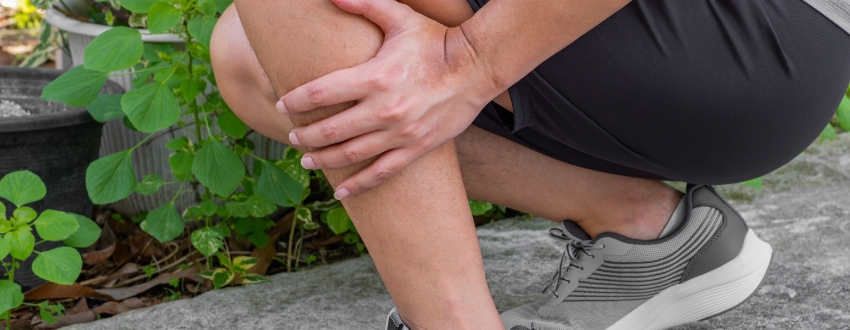
How to Tell the Difference — and How to Recover the Right Way
By Dr. Christine Martirez, PT, DPT
Certified in Running Analysis
Mana Physical Therapy
That nagging pain along your shin — what is it really?
Every runner knows the feeling: that dull ache or sharp twinge that shows up somewhere between your ankle and knee after a hard workout. You stretch, rest a day or two, maybe change your shoes — but it keeps coming back.
The question is: are you dealing with shin splints, a bone stress injury, or chronic exertional compartment syndrome?
Each one has different underlying causes, timelines, and treatments — and getting the diagnosis right can be the difference between a quick recovery and a full season off.
Shin Splints (Medial Tibial Stress Syndrome)
What it is: Shin splints occur when the muscles and connective tissue along the inner border of the shinbone (tibia) become irritated from repetitive loading. It’s a soft tissue issue — not a bone injury.
How it feels:
- Diffuse pain along the lower third of the inner shin
- Soreness that starts after runs, then may appear earlier as training continues
- Usually improves with rest and lower-impact cross-training
Recovery timeline:
2–6 weeks with activity modification, calf and hip strengthening, and gradual load reintroduction.
Key point: Shin splints are a warning signal — your body is asking for better load management, not complete shutdown. Catch it early, and you can usually stay active while you recover.
Bone Stress Injury (Stress Reaction or Stress Fracture)
What it is: When repetitive impact exceeds your bone’s ability to remodel, tiny microcracks can form — progressing from a stress reaction to a stress fracture if ignored.
How it feels:
- Localized, pinpoint pain on the shin or foot
- Tenderness that worsens with impact and persists after activity
- Sometimes accompanied by swelling
Recovery timeline:
6–12+ weeks, depending on severity.
You’ll need a structured offloading plan (sometimes partial weight-bearing) and a guided return-to-run protocol once bone healing is confirmed.
Key point: Stress fractures often mimic shin splints in early stages — but pushing through can delay recovery by months. Diagnostic imaging or clinical evaluation is essential.
Chronic Exertional Compartment Syndrome (CECS)
What it is: A less common but serious condition where muscle volume expands faster than the surrounding fascia can accommodate — increasing pressure within the leg compartments and restricting blood flow and nerve function.
How it feels:
- Tightness, cramping, or burning pain that builds during running and subsides shortly after stopping
- Possible numbness or tingling in the foot
- Pain returns predictably at the same mileage or speed
Recovery timeline:
Often requires surgical decompression (fasciotomy) if conservative care fails.
Physical therapy before and after surgery focuses on restoring gait mechanics and improving load distribution and tissue capacity.
Why Diagnosis Matters
Shin pain is one of the most mismanaged running injuries because the symptoms overlap — and treating the wrong one can delay recovery.
For example:
- Treating a bone stress injury like a muscle strain can lead to a full fracture.
- Stretching aggressively for “tight calves” may worsen compartment syndrome.
- Runners who “just keep running through shin splints” often end up with both.
At Mana Physical Therapy, we perform a thorough clinical assessment — looking at training load, biomechanics, running form, and force absorption patterns — to pinpoint the true cause behind your symptoms.
The Role of Running Analysis Technology
Here at Mana Physical Therapy, we use Runeasi Running Analysis software — a wearable system that measures how your body absorbs and distributes force as you train.
By analyzing pelvic stability, impact loading, and left–right asymmetry, we can detect subtle imbalances that often appear weeks before pain does.
This technology helps us:
- Identify whether one leg is absorbing more load than the other
- Track how your mechanics change as fatigue builds
- Optimize your cadence and stride for energy efficiency
- Assess how your body is recovering as mileage ramps up
Whether you’re training for your first 10K or your next marathon, Runeasi allows us to catch overuse patterns early — keeping injuries from starting at all.
The Return-to-Run Phase: More Than Just “Starting Slow”
Once pain resolves, the real work begins. Jumping back into running too soon — or without reconditioning the right muscles — is one of the biggest reasons shin pain returns.
Your return-to-run program should include:
- Progressive loading — beginning with walk-run intervals
- Calf and soleus strengthening — critical for shock absorption
- Hip and core stability work — to control knee and tibial alignment
- Plyometric and reactive drills — to rebuild force tolerance and resilience
At Mana, we integrate running-specific strength with real-time load monitoring so you return stronger, not just symptom-free.
Final Thoughts
If you’re unsure whether your shin pain is from muscle overuse, bone stress, or compartment pressure — don’t guess.
Proper diagnosis early on can mean the difference between 2 weeks off and 3 months of frustration.
Running injuries rarely come from one bad run — they come from small imbalances repeated thousands of times. With the right testing, feedback, and progressive strengthening, you can train smarter, stay healthy, and perform your best on race day.
Ready to get back to pain-free running?
At Mana Physical Therapy, we help runners recover, rebuild, and optimize performance using a combination of:

Advanced gait and load analysis (Runeasi)

Strength & stability-based return-to-run protocols

Education and individualized performance plans
Whether you’re rebuilding after an injury or chasing a PR, we’ll help you understand your body — and train it to go the distance.
